
A Timeline of Maui County’s Housing Decisions and Why They Matter
Housing did not become unaffordable in Maui County overnight. The pressures families feel today are the result of decades of decisions, market shifts, and policy gaps that slowly changed how housing was used and who it served.
Understanding where Maui is now requires understanding how we got here. This timeline outlines key housing-related decisions and moments, based on information released by Maui County, and explains why each step matters to local families today.
Before 2010: Housing Begins to Drift Away from Local Use
For much of the late 20th century, short-term vacation rentals expanded steadily across Maui, often in areas originally intended for long-term residential living. Zoning and enforcement struggled to keep pace with tourism growth and changing market incentives.
Why it matters:
This period laid the groundwork for today’s imbalance. Homes increasingly functioned as investment properties rather than places for local residents to live full time.
2010–2019: Growth Without Guardrails
During this decade:
Tourism continued to grow rapidly
Housing construction lagged behind demand
Enforcement of short-term rental rules remained inconsistent
Vacation rentals became more normalized in apartment districts and residential areas, even when zoning did not clearly support visitor use.
Why it matters:
As more units shifted to short-term use, rental supply tightened. Rents rose. Home prices accelerated. Working families began leaving the communities where they were raised.
2020–2021: COVID Exposes the Fragility of the System
The pandemic brought tourism to a halt, briefly returning some units to the long-term rental market. But as travel resumed, many units quickly flipped back to short-term use.
At the same time:
Construction costs surged
Interest rates fluctuated
Housing insecurity deepened for local renters
Why it matters:
COVID revealed how dependent Maui’s housing supply had become on the visitor economy, and how quickly local residents were displaced when tourism rebounded.
2022: A Clear Mandate Emerges
By 2022, housing had become one of the most consistent concerns raised by residents across Maui Nui. Community testimony repeatedly emphasized:
Teachers unable to live near schools
Kūpuna downsizing involuntarily
Young families leaving the island
That year, leadership changes brought renewed focus on housing as a foundational issue, not just a market problem.
Why it matters:
This period marked a shift from acknowledging the housing crisis to actively reassessing long-standing assumptions about how housing should be used.
2023: Crisis, Recovery, and Housing Pressure Collide
The 2023 Lahaina wildfires devastated housing stock in West Maui and intensified an already severe shortage. Thousands of residents were displaced, and the urgency of housing solutions became undeniable.
Maui County began:
Accelerating recovery permitting
Expanding temporary and transitional housing
Reassessing land use and housing priorities
Why it matters:
Recovery made clear that housing policy is inseparable from resilience, safety, and community stability.
2024: Bill 9 Is Introduced
In 2024, Maui County introduced Bill 9 as part of a broader housing strategy. The bill proposed phasing out short-term vacation rentals in specific apartment districts over time, with clear timelines and exemptions.
Bill 9 went through:
Multiple Planning Commission hearings across Maui, Molokaʻi, and Lānaʻi
Extensive public testimony
Formal review and debate by the County Council
Why it matters:
Bill 9 represented a policy pivot: prioritizing existing housing for local residents while maintaining a strong visitor industry in appropriate zones.
2025: Implementation Planning and Housing Investment
Alongside Bill 9, Maui County expanded housing-related investments, including:
Affordable housing construction
Rental assistance programs
Infrastructure upgrades to support housing development
Down payment and homeowner assistance
Bill 9 was positioned not as a single solution, but as one tool within a larger housing framework.
Why it matters:
Housing stability requires multiple approaches working together. Policy, funding, and infrastructure must move in alignment.
Looking Ahead: Why This Timeline Matters Now
Each decision along this timeline shaped the choices available today. Delayed action narrowed options. Community input clarified priorities. Recovery heightened urgency.
What this timeline shows is that:
Housing challenges are cumulative
Inaction carries consequences
Restoring balance requires intention, not shortcuts
Maui’s housing future depends on learning from these moments and committing to policies that reflect kuleana to local families, workers, and future generations.
Moving Forward Together
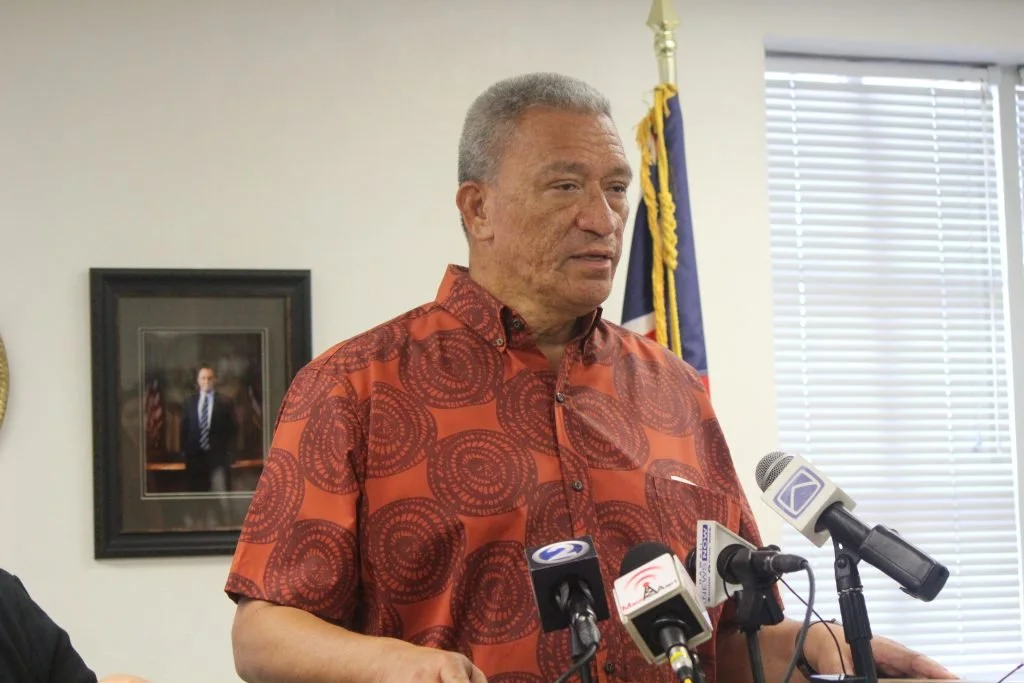
Photo: Maui Now
Housing policy affects real lives. That is why transparency, context, and shared understanding matter.
Maui County’s housing decisions continue to evolve, shaped by public process and community voices across all islands. This timeline is not an endpoint. It is a reference point for where Maui has been, and why the choices made now will define who gets to call this place home in the years ahead.
Mahalo to everyone who continues to engage, ask questions, and help shape the future of Maui County.